In 2026, the "Rivne Floodplains" hydrological reserve of local significance was established.
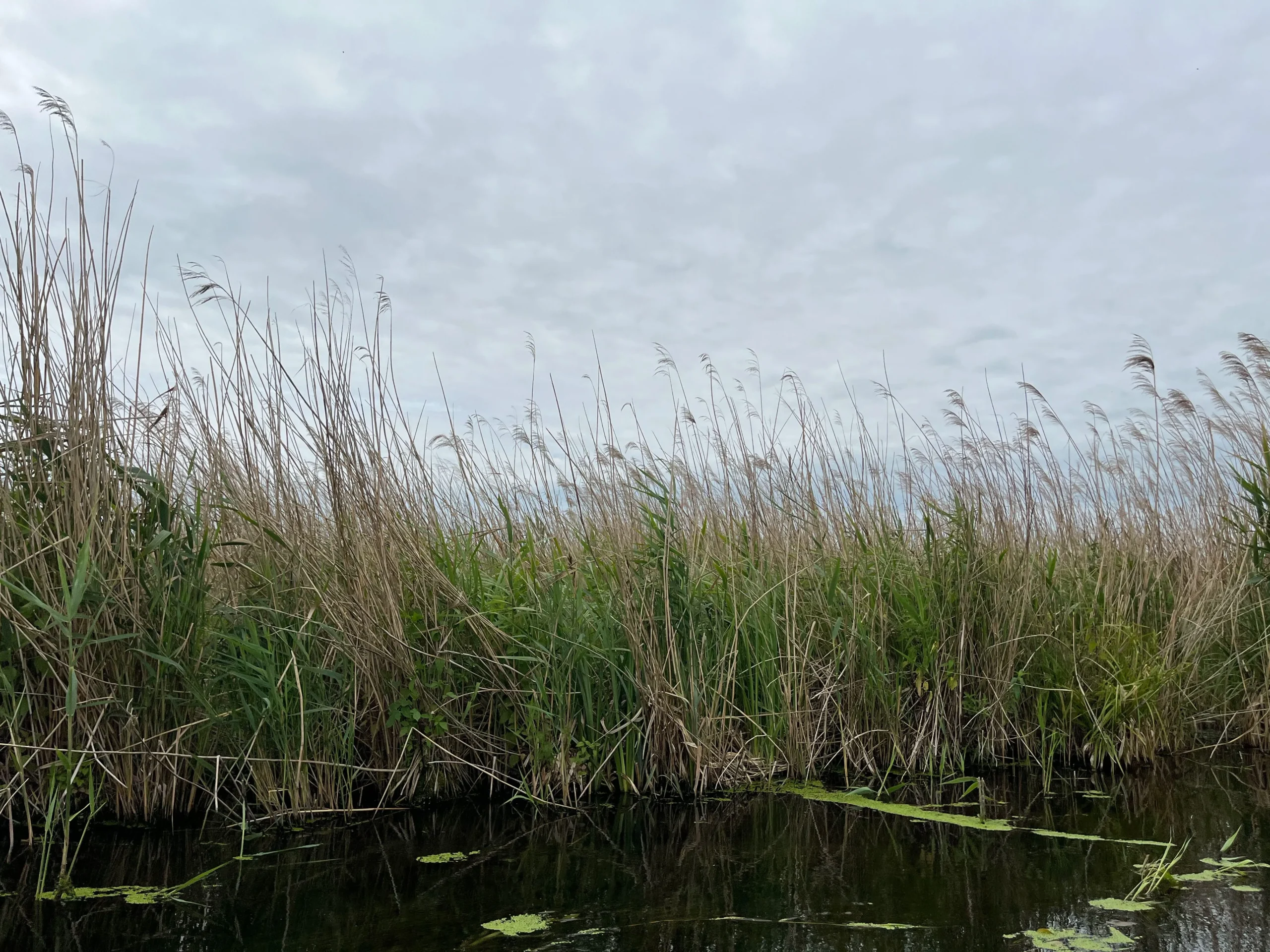
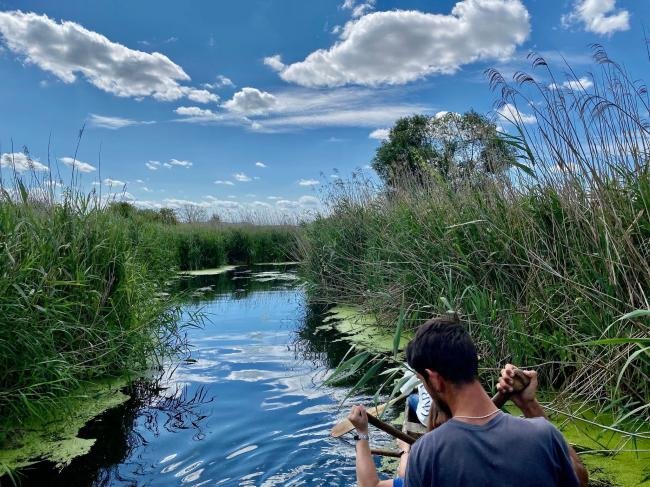
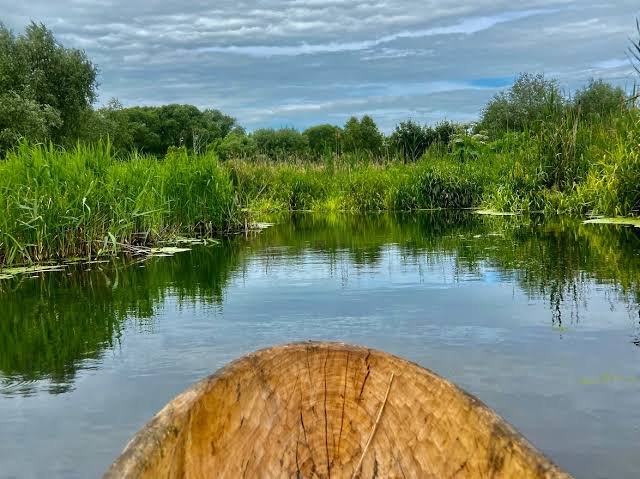
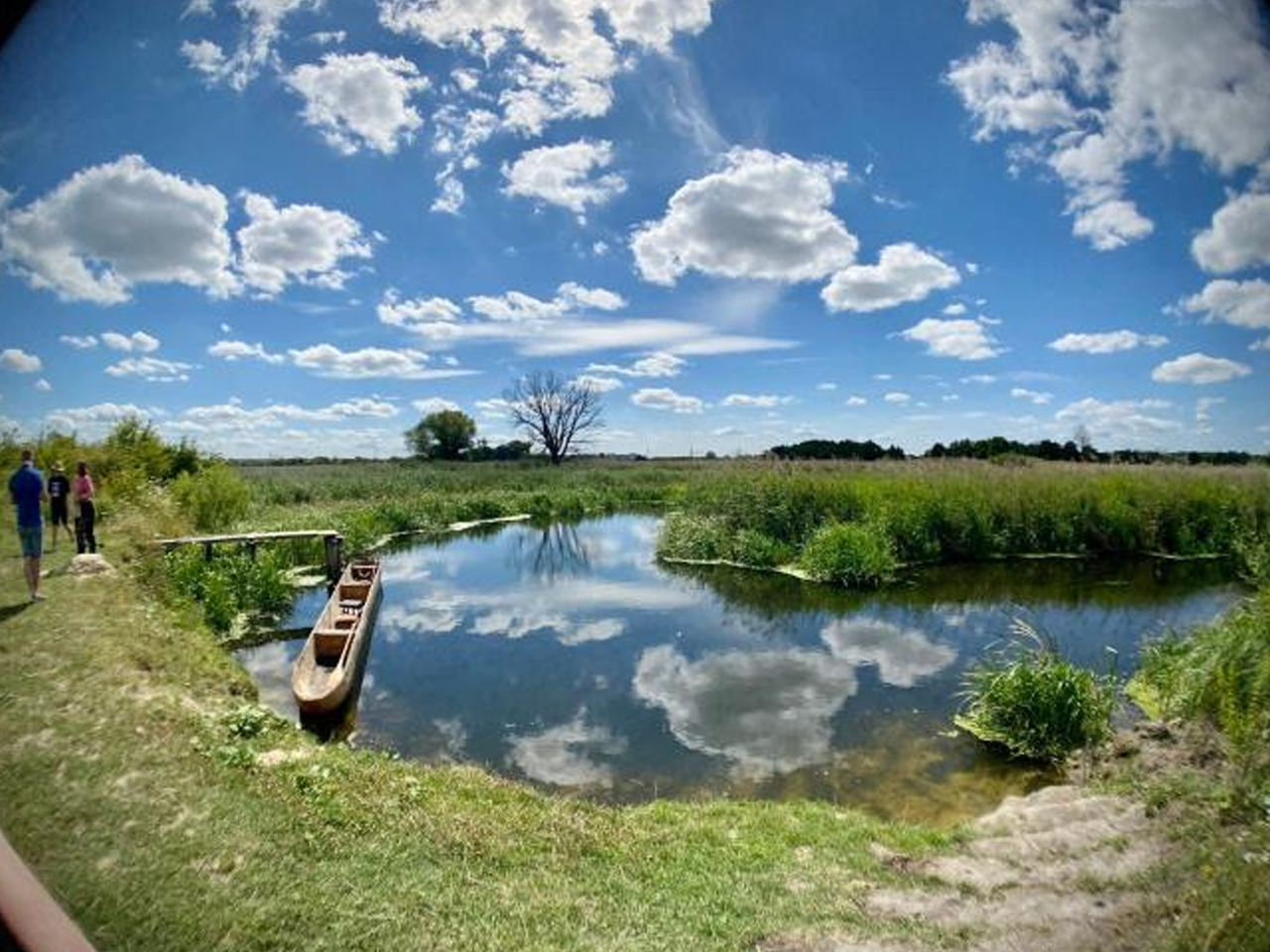
A unique natural area—the Rivne Wetlands—is located within the Rivne urban territorial community, covering a total area of 108 hectares. It is a distinctive pocket of wilderness preserved amidst the urban environment, surrounded by streets, buildings, and city noise. The area is notable for its diverse flora and fauna and plays a vital role in preserving Rivne’s natural ecosystems.
Preliminary field research indicates that 265 species of vascular plants—representing 193 genera and 67 families—grow spontaneously in the Rivne Wetlands. Of these, 205 species are native to the Rivne region, while 60 belong to the adventive fraction—plants found outside their natural range.
The area’s exceptional value is underscored by the presence of rare plant species. Preliminary studies identified two species listed in the Red Book of Ukraine (2021): the broad-leaved helleborine (*Epipactis helleborine*) and the early marsh-orchid (*Dactylorhiza incarnata*).
Furthermore, the site is home to plants subject to regional protection in the Rivne region. These include the swollen duckweed (*Lemna gibba*), large-flowered vetch (*Vicia grandiflora*), chickpea milkvetch (*Astragalus cicer*), myrtle-leaved willow (*Salix myrtilloides*), German woundwort (*Stachys germanica*), and elecampane (*Inula helenium*).
The Rivne Wetlands are equally important for local wildlife. Wetlands and riparian zones provide favorable conditions for various groups of invertebrates—particularly aquatic and semi-aquatic species—as well as for many vertebrate species, especially birds. The area serves as a habitat for animals, offering sites for permanent or temporary residence, nesting, and breeding.
One of the most valuable members of the local fauna is the Eurasian otter—a species listed in the Red Book of Ukraine, the IUCN Red List, and the list of species protected under the Bern Convention.
Recognizing the area’s natural, ecological, and scientific value, the “Rivne Floodplains” hydrological reserve of local significance was established in 2026. Its objectives include maintaining the hydrological regime, preserving the ecosystem components of the Ustia River and its floodplain in their natural state, and expanding the regional ecological network of the Rivne region.
“Rivne Floodplains” is a space where natural diversity is preserved, the survival of numerous species is supported, and a vital part of Rivne’s ecological future is shaped.
Photo gallery